
Category: Field Files | Reading Time: 8 Minutes
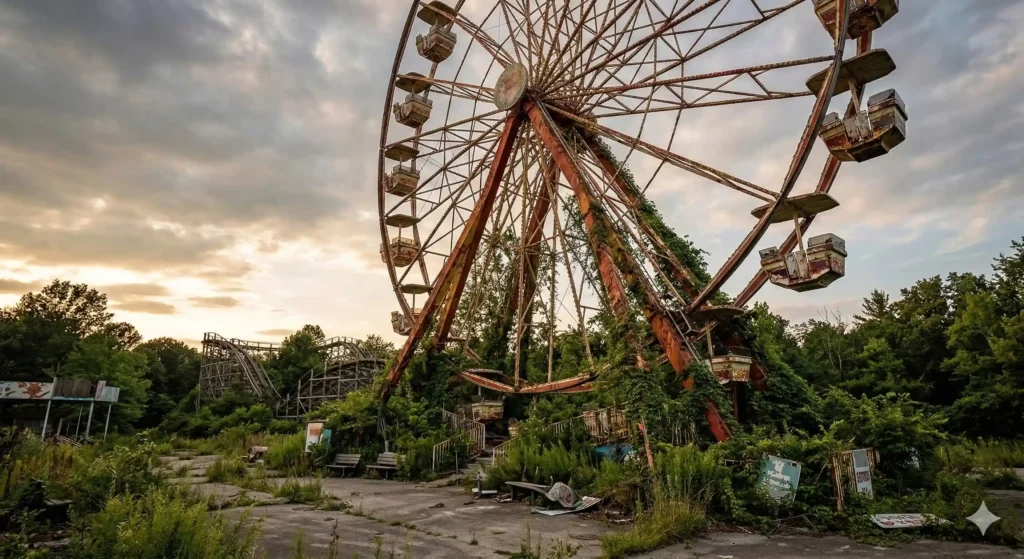
There is a deeply unsettling feeling that washes over you when exploring abandoned amusement parks. These sprawling complexes were originally designed to echo with the sounds of laughter, carnival music, and roaring rollercoasters. Today, they sit in absolute silence. The vibrant colors have faded to dull rust, and the midway games are slowly being swallowed by encroaching forests.
This field file dives into the rise and fall of these massive entertainment centers. We will explore the economic shifts, natural disasters, and changing cultural tastes that transformed these beloved summer destinations into decaying steel graveyards.
1. The Golden Age of the American Midway
Long before the massive corporate theme parks dominated the landscape, small trolley parks were built at the ends of streetcar lines to encourage weekend ridership. These humble beginnings eventually evolved into the massive concrete and steel complexes we recognize today.
During the middle of the twentieth century, theme parks experienced a massive boom across the country. Postwar prosperity gave middle class families more disposable income and leisure time than ever before. To capture this new wealth, developers built sprawling parks featuring wooden rollercoasters, towering Ferris wheels, and elaborate water rides. These parks became the ultimate summer destination, drawing millions of visitors eager for thrills and sugary treats.
2. The Crushing Cost of Maintenance and Insurance
Running a massive theme park is an incredibly expensive endeavor. As the decades passed, the rides aged and required constant, costly maintenance to remain safe. Furthermore, the insurance premiums for operating high speed rollercoasters skyrocketed during the late twentieth century.
If a park experienced a single accident, or if attendance dipped during a rainy summer, the financial burden could easily bankrupt the operators. Additionally, the rise of massive corporate mega parks created fierce competition. Small regional operators could not afford to build the multi million dollar record breaking attractions that tourists demanded. As attendance slowly dwindled, the revenue could no longer cover the basic operational costs. Many beloved local parks simply could not afford to keep the gates open and were forced into sudden bankruptcy.
3. Natural Disasters and Sudden Closures
Not all parks died a slow economic death. Some were wiped out overnight by the sheer force of nature. Hurricanes, massive floods, and severe storms have completely destroyed several coastal and riverfront abandoned amusement parks across the globe.
When a park is submerged in corrosive floodwaters, the electrical systems and structural integrity of the steel rides are compromised beyond repair. The saltwater and mud destroy the delicate computer systems that run the attractions. The cost to rebuild is often higher than the original construction budget, leaving owners with no choice but to lock the gates and walk away forever.
4. The Visual Appeal for Urban Explorers
For the urban explorer and the architectural photographer, abandoned amusement parks offer a visual goldmine. There is a powerful juxtaposition between the joyful intent of the architecture and its current state of decay.
Photographers love to capture vines wrapping around the painted horses of a carousel or the skeletal remains of a rollercoaster silhouetted against a gray sky. The peeling paint on a clown face or the empty, swaying cars of a Ferris wheel provide a haunting aesthetic that cannot be replicated anywhere else. The rust bleeds down the bright fiberglass structures, creating a canvas painted by time and weather. It is a stark reminder that even our places of greatest joy are not immune to the relentless march of time and nature.
5. Safety Hazards and Ethical Exploration
It is vital to understand that these locations are incredibly hazardous. Rotting wooden boardwalks can collapse under your weight. Rusting metal structures are highly unstable and prone to snapping without warning.
Furthermore, these properties are heavily guarded, and trespassing carries severe legal consequences. Ethical explorers focus on documenting these sites from safe, legal vantage points or by working directly with property owners and historical societies to preserve the photographic memory of the park before it is demolished. Safety must always come before securing a photograph.
Conclusion
The sight of an overgrown rollercoaster is a poignant symbol of forgotten summers. While these parks may never hear the sound of a cheering crowd again, they remain fascinating monuments to our pursuit of entertainment. By studying their history, we gain a deeper appreciation for the fleeting nature of childhood joy and the permanent power of nature.
Over to you: What is your favorite memory of a childhood theme park? Did your local park survive, or has it been lost to time? Let us know in the comments section below!