
Category: Safety & Ethics | Reading Time: 8 Minutes
When you step into a decaying factory or a forgotten hospital, carrying the right urban exploration safety gear is the only thing standing between you and a trip to the emergency room.
There is a romanticized idea that all you need to document an abandoned location is a camera and a sense of adventure. The reality is far more dangerous. Abandoned buildings are incredibly hostile environments filled with invisible toxins, unstable floors, and jagged metal.
This guide breaks down the absolute necessities for your survival kit. We will explore the specific environmental threats found in decaying architecture and the exact equipment you must pack to ensure you make it home safely.
1. Respiratory Protection from Invisible Threats
The most dangerous hazards in an abandoned building are the ones you cannot see. Black mold spores, pulverized asbestos fibers, and toxic bird guano fill the stagnant air of rotting structures. Breathing in these particulates can cause severe and permanent lung damage.
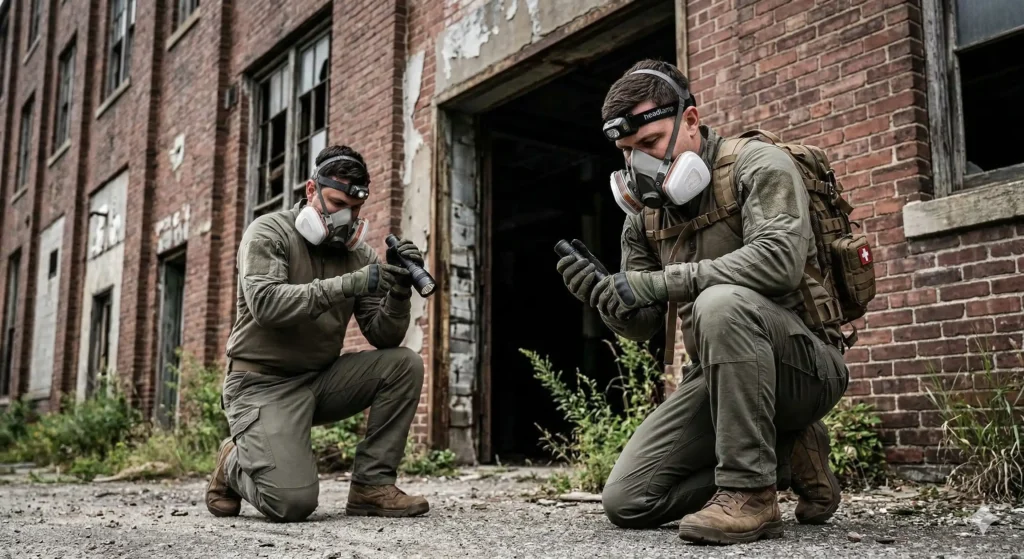
You must never enter a decaying structure without proper respiratory protection. A simple paper medical mask or a thin cloth bandana will not protect you. You need a high quality respirator equipped with P100 particulate filters. These professional grade masks create an airtight seal against your skin and filter out the microscopic hazards that float through the dusty corridors.
2. Robust Footwear for Structural Hazards
The floors of abandoned properties are essentially minefields. You will encounter shattered glass, exposed wiring, and rotting wooden floorboards. The most common injury among explorers is stepping directly onto a rusty nail protruding from a collapsed roof beam.
Leave your everyday sneakers at home. Proper footwear is a critical component of your survival kit. You need rugged work boots with thick soles designed to resist punctures. Boots with steel toes offer even more protection against falling masonry and heavy debris. Furthermore, ensure your boots provide excellent ankle support, as you will frequently be navigating over unpredictable piles of rubble in the dark.
3. Redundant Lighting Systems
When the power grid is shut off, the interior of a massive factory or a sprawling asylum becomes pitch black. Relying on the weak flashlight built into your smartphone is a massive mistake that will quickly leave you stranded in total darkness.
A prepared explorer always carries redundant lighting systems. Your primary light should be a powerful tactical flashlight that can illuminate long hallways and deep elevator shafts. Your secondary light should be a dependable headlamp, which keeps your hands completely free so you can safely climb over obstacles or steady your camera. Finally, always pack extra batteries in a waterproof bag.
4. Emergency First Aid and Communication
Accidents happen even to the most experienced and cautious photographers. A sudden floor collapse or a slip on a wet staircase can result in deep cuts, sprains, or broken bones.
Every explorer must carry a comprehensive first aid kit specifically tailored for trauma. Your kit should include robust bandages, antiseptic wipes to clean filthy wounds, and a tourniquet for severe emergencies. In addition to medical supplies, reliable communication is vital. Always bring a fully charged smartphone and a high capacity portable power bank. If you venture into deep basements where cellular service drops, consider carrying a set of handheld communication radios to stay in touch with your exploration partner.
5. Protective Clothing and Gloves
Exploring in a basic shirt and shorts is an invitation for severe lacerations and toxic skin exposure. You will frequently be squeezing through broken windows, crawling under collapsed ductwork, and brushing against walls coated in unknown chemical residues.
Always wear shirts with long sleeves and durable pants made from heavy canvas or denim. This physical barrier protects your skin from scraping against rusty metal and prevents contact with irritating plants like poison ivy outside the property. Additionally, a pair of thick tactical gloves is mandatory. You will need your hands to test the stability of wooden handrails and move sharp debris out of your walking path.
Conclusion
Investing in high quality urban exploration safety gear is an investment in your own life and health. These locations are beautiful but they are completely unforgiving to the unprepared. By treating every abandoned structure like a hazardous construction site, you ensure that you can continue documenting history for years to come.
Over to you: What is the one piece of safety equipment you absolutely never leave home without? Share your packing list in the comments section below!