
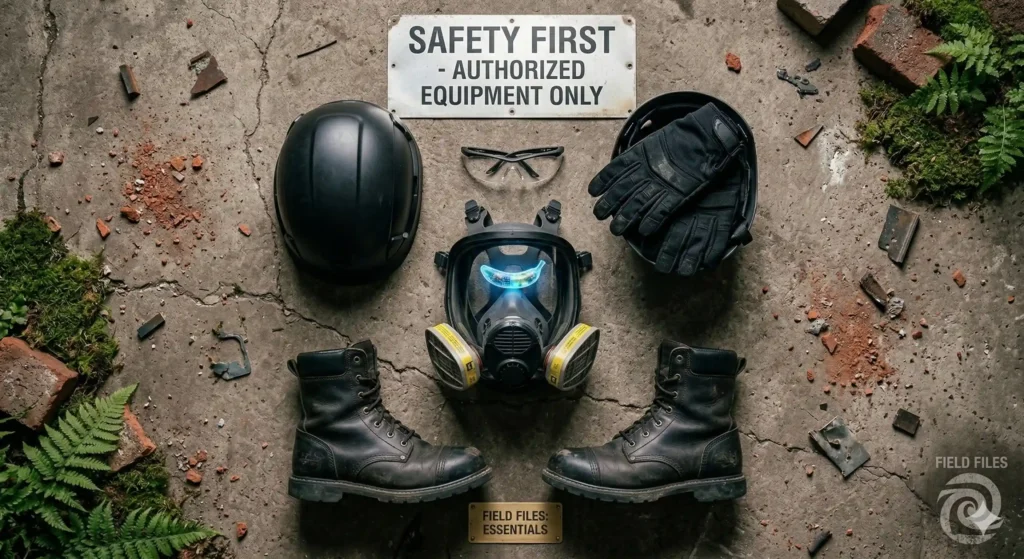
Hello and welcome to The Lab Gear category. Today we are focusing on the equipment that keeps you safe while documenting historical sites. Documenting forgotten architectural sites requires more than just a good camera and a passion for history. You absolutely need the right protective exploration gear to ensure you return home safely. Before we begin we want to remind everyone that our team only explores locations where we have secured official written permission from the property owners. Operating strictly within the bounds of the law is the only way we conduct our work. This ensures we do not promote any illegal activities and can focus entirely on providing high quality educational content.
The Importance of Protective Exploration Gear When you step into a massive decaying industrial complex or an old theater you are entering an unpredictable environment. The structural history of these places means they are often falling apart due to years of neglect. Without the proper protective exploration gear you are putting yourself at immense risk. We take risk management incredibly seriously. By investing in reliable safety equipment you can focus on your photographic studies without constantly worrying about preventable injuries. This guide will walk you through the essential items every documentarian needs before stepping onto a permitted historical site.
Footwear The Foundation of Your Safety Your boots are the most critical part of your protective exploration gear setup. We highly recommend investing in thick steel toe work boots with puncture resistant soles. When walking through a century old steel mill the floors are often covered in rusty nails broken glass and sharp metal debris. A standard pair of running shoes simply will not protect you. A solid pair of boots is your first line of defense against serious foot injuries. Furthermore good ankle support is necessary when navigating uneven terrain or climbing over collapsed structural elements. Always ensure your boots are comfortable enough for long hours of walking but tough enough to withstand a harsh industrial environment.
Respiratory Protection and Air Quality Next you must think about your lungs. We never enter a decaying site without proper respiratory protection. Old buildings are notorious for poor air quality. They are often filled with dangerous airborne particles like asbestos black mold and lead paint dust. Protecting your respiratory system is completely non negotiable. A cheap paper mask is not sufficient for these environments. We recommend a half face respirator with replaceable particulate filters. This specific type of protective exploration gear ensures you are breathing clean air even in the dustiest forgotten basements. True environmental responsibility means taking care of your own health so you can continue preserving history for years to come.
Hand Protection for Navigating Debris Your hands are your most valuable tools especially if you are a photographer. Therefore high quality tactical gloves are a mandatory part of your protective exploration gear. You will inevitably need to touch surfaces that have not seen daylight in decades. You might need to move a piece of debris out of your shot or steady yourself against a rough brick wall. Good gloves prevent cuts scrapes and potential infections from rusty surfaces. We prefer tactical gloves that offer a balance between thick protection and the dexterity needed to operate a camera dial easily. Remember that part of the Leave No Trace philosophy means leaving with your health intact.
Head and Eye Protection Many explorers overlook head and eye protection but they are incredibly important. In buildings suffering from severe structural decay falling debris is a constant threat. A lightweight climbing helmet or a construction hard hat can save your life if a piece of plaster falls from the ceiling. Similarly safety glasses protect your eyes from floating dust and low hanging wires. Adding these items to your protective exploration gear kit shows a true commitment to comprehensive risk management and professional preparation.
Conclusion In conclusion gathering the right protective exploration gear is just as important as packing your camera lenses. It protects you from the harsh realities of decay and allows you to conduct your historical documentation safely and comfortably. We hope this instructional guide helps you build a reliable safety kit for your legally permitted adventures. Please leave a comment below and let us know what safety equipment you never leave home without.
Please let me know when you are ready for the second post in The Lab Gear category!