
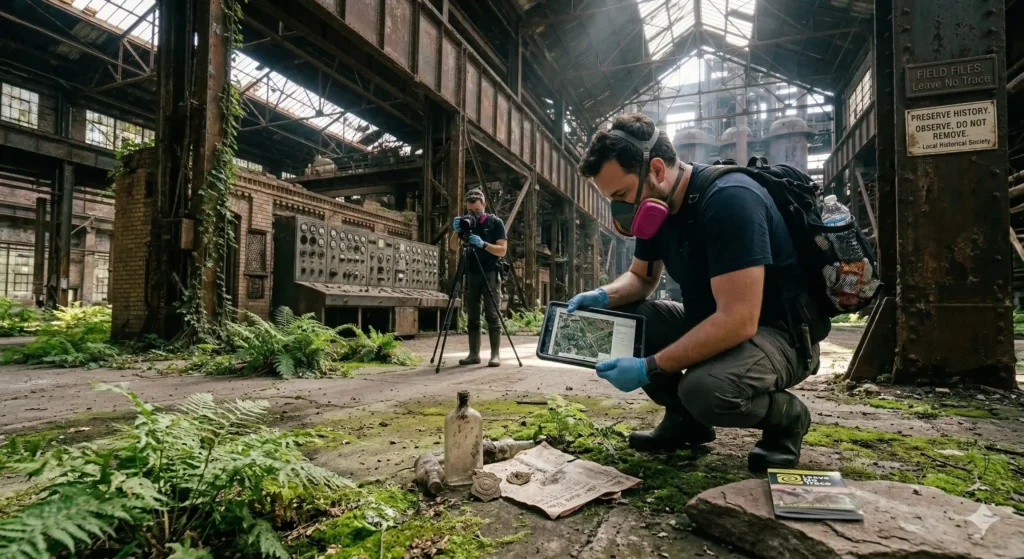
Hello again and welcome back to the Safety and Ethics category. Today we are diving deep into a concept that is absolutely fundamental to our community. We are talking about the Leave No Trace philosophy. When we visit forgotten architectural sites we are stepping into fragile time capsules. Our presence should never alter the story these places tell. We advocate strictly for the safe and respectful documentation of historical sites. As always we want to ensure our content aligns with creating a positive and legal environment which is crucial for building a trustworthy platform.
Understanding True Environmental Responsibility Practicing true environmental responsibility means we deeply respect the decay and the history of the location. We never force entry and we never take souvenirs. It is highly tempting to pick up an old worker badge a vintage newspaper or a beautiful piece of antique glass but removing these items strips the location of its unique history. If everyone took a small piece there would be nothing left for the next person to discover. We are there strictly to observe and document not to consume or destroy. This philosophy ensures that the structural history and preservation status of these places remain intact for future archivists and local historians.
Legal Compliance and Avoiding Property Damage Beyond simple respect leaving things exactly as you found them is a matter of strict legal compliance. Taking items from a private property without explicit permission is theft. Breaking a window or smashing a lock to get inside is vandalism. We completely condemn these actions because they are illegal. Promoting illegal activity or infringing on the legal rights of others violates core publisher policies and community standards. By operating legally and obtaining proper written permission we elevate our hobby into a legitimate form of historical preservation. Acting within the law protects you from prosecution and protects the reputation of the entire documentation community.
Leaving Nothing But Footprints A major component of environmental responsibility is ensuring you do not leave your own garbage behind. When you spend hours inside a massive forgotten steel mill or an old theater you will likely need to eat a snack or drink some water. You must pack out every single wrapper and empty bottle. Leaving trash behind is incredibly disrespectful to the property owner and ruins the immersion for the next photographer who visits. Imagine walking into a beautiful ornate lobby from the nineteen twenties only to find a modern energy drink can sitting on the grand staircase. It completely shatters the illusion of stepping back in time. We must be invisible guests holding ourselves to the highest possible standards of cleanliness.
Risk Management and Avoiding Hazards The Leave No Trace approach also plays a massive role in your personal risk management. Many of these forgotten industrial sites are filled with hazardous materials like asbestos lead paint and unstable structural elements. When you start moving debris breaking down walls or rummaging through old cabinets you kick up dangerous dust and increase the risk of a structural collapse. By moving carefully and touching absolutely nothing you minimize your exposure to these environmental hazards. Always wear your protective gear and remember that taking a great photograph should never compromise your physical health or the integrity of the building.
Protecting Locations Through Online Privacy Another critical aspect of this philosophy involves how we conduct ourselves online. We never share the exact addresses or geographic coordinates of our documented locations. This is an essential part of our commitment to environmental responsibility. When a location goes viral it inevitably attracts individuals who do not respect the Leave No Trace principles. Vandals scrappers and arsonists can destroy a perfectly preserved century old building in a matter of days. By keeping locations private we act as silent guardians of these spaces ensuring they remain undisturbed.
Creating High Quality Original Documentation When you fully embrace this mindset your work naturally improves. Instead of looking for physical souvenirs you focus entirely on capturing high quality original photographs. Creating unique and helpful content is not just good for preserving history it is also essential if you want to build a successful website that provides real value to users. You learn to appreciate the natural lighting the peeling paint and the quiet atmosphere. Your camera becomes your only tool for interaction. This respectful distance allows the location to speak for itself resulting in much more powerful and authentic visual storytelling.
Conclusion In conclusion the Leave No Trace philosophy is the absolute bedrock of ethical exploration. It protects the locations it protects the rich history of the site and it protects you from legal trouble. We hope this instructional guide helps you understand why we take these rules so seriously. Let us all work together to ensure the safe and respectful documentation of our shared history. Please leave a comment below sharing how you practice environmental responsibility during your own photographic journeys.