
Category: The Lab (Gear) | Reading Time: 8 Minutes
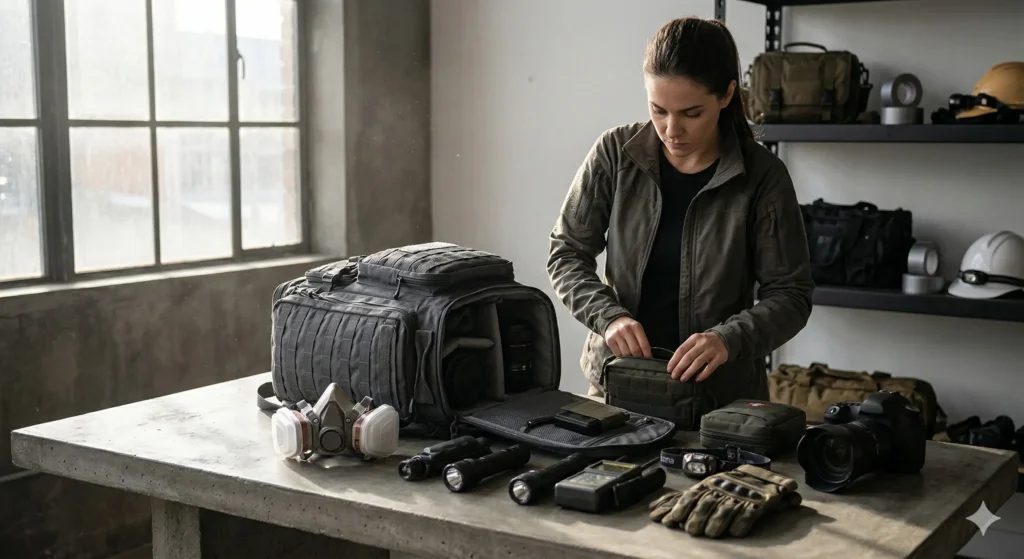
A comprehensive urban exploration backpack guide is the absolute first step in building a professional gear loadout. When you venture into decaying industrial complexes or forgotten medical facilities, your bag is your mobile command center and your primary life support system.
You cannot rely on a standard canvas school bag to survive these harsh environments. You need a dedicated piece of equipment designed to withstand severe abuse while keeping your expensive camera gear completely safe. This equipment analysis breaks down the essential features you must look for when investing in your primary exploration pack.
1. Extreme Durability and Woven Materials
The physical environment of an abandoned building is incredibly hostile to soft fabrics. You will constantly be squeezing through jagged metal chain fences, crawling under splintered wooden beams, and brushing up against walls coated in thick industrial grease.
Your bag needs to be constructed from exceptionally durable materials like military grade nylon or thick canvas. These heavy textiles are specifically woven to prevent a small snag on a rusty nail from tearing the fabric completely open. Furthermore, ensure the bottom panel of the bag features extra reinforcement. You will frequently be setting your pack down on concrete floors covered in broken glass, wet debris, and unknown chemical sludge.
2. Weatherproofing for Wet Environments
Abandoned structures are notoriously damp and unpredictable. Decaying roofs and flooded basements mean your fragile electronics are constantly at risk of catastrophic water damage.
You should look for a pack treated with a thick polyurethane internal coating or one that includes a deployable rain cover hidden in a bottom zippered pocket. A fully waterproof exterior provides absolute peace of mind when a sudden summer thunderstorm traps you inside a collapsing factory without an intact roof overhead. Even if the bag claims to be highly water resistant, you should always pack your most sensitive camera lenses inside sealed plastic bags for redundant protection.
3. Internal Organization and Quick Access
A massive single compartment rucksack is completely useless during a stressful emergency. If the basement lights suddenly go out and you need your backup tactical flashlight immediately, you cannot waste precious time digging through a chaotic pile of loose cables and dirty gloves.
You need a storage system with dedicated internal pockets and thick padded dividers. Many professional documentarians utilize modular pouches attached to the exterior webbing of their packs. This brilliant system allows you to customize your exact loadout for each specific location. You can keep essential survival tools and your first aid supplies quickly accessible on the outside while protecting your expensive digital sensors deep inside the main padded compartment.
4. Weight Distribution and Suspension
Carrying heavy glass lenses, solid aluminum tripods, and emergency water supplies will quickly exhaust your muscles if the physical weight is not distributed correctly. A proper expedition pack features a rigid internal frame and a thick padded waist belt.
The waist belt is arguably the most critical feature on the entire bag because it transfers the crushing weight completely off your shoulders and directly onto your hips. Additionally, look for a back panel built with deep ventilation channels. This specialized airflow design prevents excessive sweating and heat exhaustion during strenuous summer climbs up dozens of decaying stairwells.
5. The Philosophy of Packing Light
While it is incredibly tempting to bring every single piece of photography gear you own, overpacking is a highly dangerous mistake. A bloated and heavy bag throws off your center of gravity and makes it incredibly difficult to navigate narrow passages safely.
You must ruthlessly evaluate every item before you leave your house. Bring redundant lighting and extra batteries, but leave the heavy novelty camera lenses at home. The ultimate goal is to remain agile and fast on your feet while maintaining a robust safety margin. A smaller pack forces you to make smart decisions about what is truly essential for your survival and your art.
Conclusion
Investing in the right bag is an investment in your personal safety and your photographic success. By choosing a pack that prioritizes rugged durability, extreme weather resistance, and smart ergonomic design, you ensure that you are fully prepared for whatever unpredictable challenges the decaying world throws at you.
Over to you: What specific brand or style of bag do you currently use for your weekend adventures? Do you prefer a tactical military style or a stealthy photography aesthetic? Share your favorite gear in the comments below!